Meet Yago, your business partner on WhatsApp
Meet Yago, your business partner on WhatsApp
Oct 29, 2025
🧠 Consumer Psychology: 5 Techniques to Accelerate Purchase Decisions in Your E-Commerce
Sell more without relying solely on discounts using sales psychology and an AI seller on WhatsApp.
Silvana Cabrera
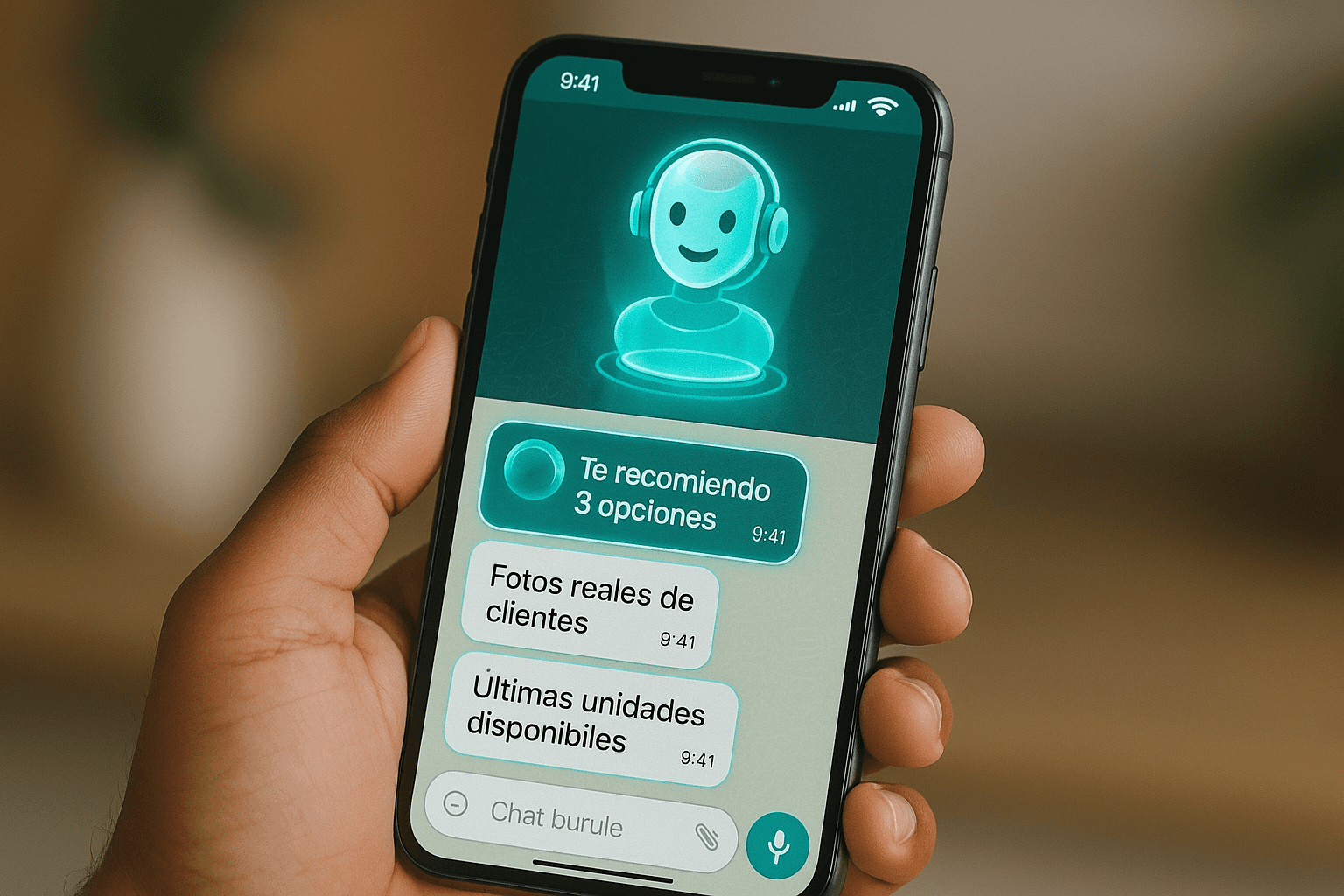
Most people believe that they buy based on logic. They compare prices, check specifications, look at “pros and cons.”
In practice, something else happens: around 80% of purchasing decisions are emotional, and the brain only uses logic to justify them afterward.
This means something key for any online store: if people visit your site or message you on WhatsApp but don't buy, it's not always the product's fault, the price, or the ad. It's very likely because you're not activating the right triggers in the customer's mind.
Big brands like Apple, Amazon, Zara, or Sephora have been using consumer psychology for years to speed up decisions. They don't just sell products: they sell sensations, identity, belonging, and desired outcomes.
In this article, I explain, step by step:
5 consumer psychology techniques that speed up the purchase decision.
Concrete examples of sales tactics applied to e-commerce.
How a Yavendió AI seller on WhatsApp can apply these same techniques automatically, conversation by conversation.
The idea is not to manipulate, but to better organize the experience so that the customer can decide faster and with less friction.
🧩 What is consumer psychology (applied to digital sales)
When I talk about consumer psychology, I'm not referring to a complicated academic concept, but to understanding very concrete things:
How your brand and products are perceived.
What emotions are triggered while shopping on your store or messaging you on WhatsApp.
What fears, doubts, or desires appear just before paying.
Sales psychology focuses on using this knowledge to design better messages, better screens, and better conversations that:
Reduce doubt.
Increase trust.
Make the “yes, I’ll buy” decision come faster.
And this is where AI changes the game. A human seller can apply these techniques from time to time. A well-trained AI seller can apply them in every conversation, at any hour, with any customer.
1️⃣ Mirror effect: people buy what feels “made for them”
When a person sees someone similar to them using a product, the mirror effect is activated: “if it works for that person, it will probably work for me too.” In e-commerce, you can really see the difference between showing just the packaging and showing someone using the product in a context that the customer recognizes.
To take advantage of this, show real people who resemble your target audience and scenes where it's clear how the product is used and how the result feels. A backpack on a white background is not the same as a person taking it to work or university.
🤖 How an AI seller on WhatsApp with Yavendió applies it!
A well-configured AI agent can detect who they're talking to by the type of questions the user asks and adapt the language, example, or image they share. For example:
“Many moms who work all day choose this model because it's lightweight and fits everything they need without feeling heavy. Should I share pictures of how it looks on?”
Here, the AI uses the mirror effect by talking about people similar to the customer and reinforcing the feeling of “this is for me.”
2️⃣ Paradox of choice: too many options halt the purchase
When there are too many alternatives, the paradox of choice appears: the customer gets confused, fears making a mistake, and decides to “think about it.” In practice, this translates into abandoned carts and conversations that never reach payment, especially when we show huge catalogs without guidance.
It is much more effective to offer three to five clear options of the same category and group the rest by goals or needs. You can use labels like “best-seller” or “best value for money” to guide without overwhelming.
🤖 How an AI seller on WhatsApp with Yavendió applies it!
Instead of responding with 20 links, an AI seller can ask a few questions and then summarize:
“Based on what you've told me, I recommend three options that work very well for X case. Should I show them to you?”
Then it presents only those three alternatives with one main benefit each. This reduces mental load, organizes the information, and makes it easier to say yes.
3️⃣ Emotional anchoring: selling sensations, not just features
People don't just buy what a product is, but what it makes them feel and what changes in their life when they have it. That's emotional anchoring: shifting from describing attributes to showing results.
Instead of staying in “cotton fabric” or “5,000 mAh battery,” focus your texts on concrete scenes: sleep better, save time, be more comfortable, feel safer. First, you talk about the benefit and then, if necessary, explain the technical detail that supports it.
🤖 How an AI seller on WhatsApp with Yavendió!
An AI agent can read the context (“I work many hours,” “I hardly have time,” “it's for a special gift”) and adjust its response:
“From what you've told me, this model is ideal if you want to be comfortable all day without losing style. It's popular among those who spend several hours on their feet.”
The AI connects the product with the result that the person is looking for and turns a cold product sheet into a meaningful proposal.
4️⃣ Social proof: nobody wants to be the first to make a mistake
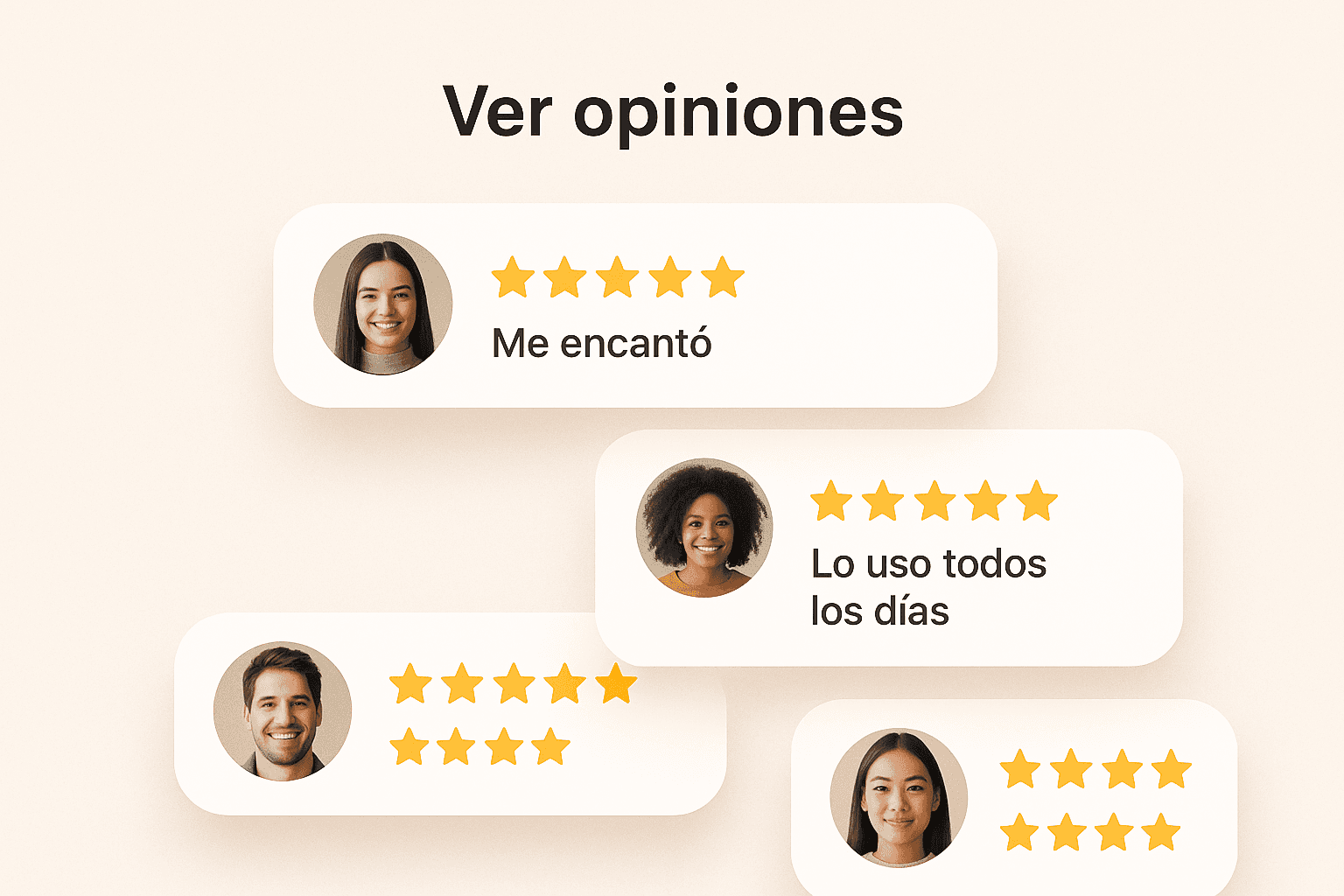
Social proof is one of the most powerful triggers in sales psychology. Seeing reviews, real photos, and testimonials reduces the fear of making a mistake because it indirectly answers “Does it really work?”, “Is it worth the cost?”, and “Did others like me enjoy it?”.
In your online store, place reviews near the buy button, highlight specific opinions (not just stars), and show user-generated content whenever possible. A “I use it every day since months ago” is worth more than a perfect marketing paragraph.
🤖 How an AI seller on WhatsApp with Yavendió applies it!
During the conversation, the AI can naturally integrate social proof:
“This set is one of the most requested and most customers rate it 5 stars for quality. If you'd like, I can send you some real photos to see how it looks.”
A system like Yavendió can automatically identify which of your products are best sellers and use that data in the dialogues, without you having to manually write each response.

5️⃣ Well-used scarcity and urgency
Scarcity (“very few left”) and urgency (“ends soon”) can speed up a decision that the customer already wants to make, as long as they are real and transparent. Using them without criteria or all the time only generates distrust.
In your e-commerce, show limited stock only when it truly is and communicate clear deadlines for specific promotions. The idea is to help the customer prioritize, not pressure them with alarming messages.
🤖 How an AI seller on WhatsApp with Yavendió applies it!
If the agent is connected to your catalog and your campaigns, it can notify at the right time:
“I should tell you that we have only a few units of this model left in your size and today is the last day with free shipping. If you want, I can help you finalize your order now.”
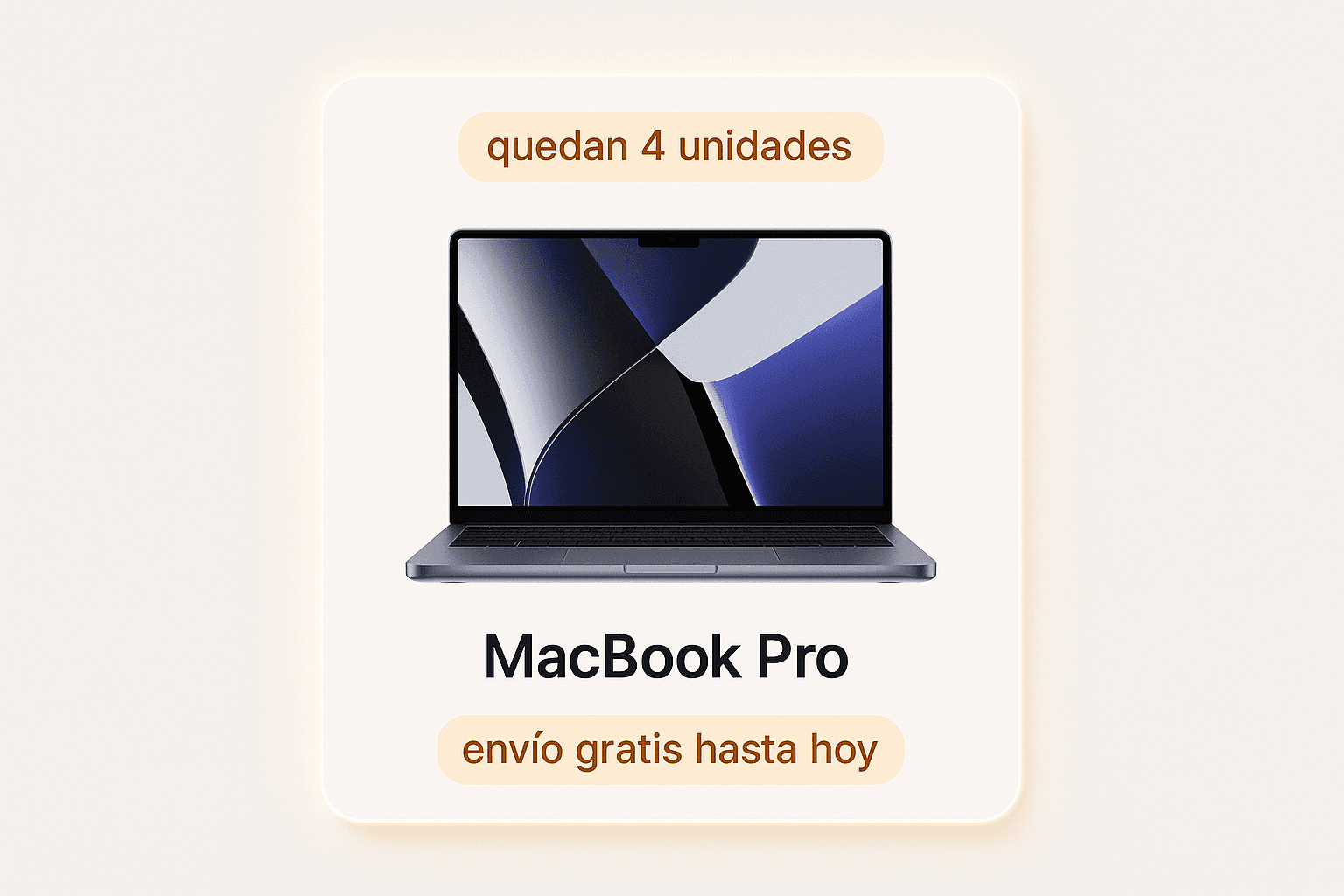
Here it combines real urgency with service, not with fear. The result is a quicker decision without breaking the trust relationship.
🚀 How it all looks together in a real sales flow
Imagine this journey:
The person sees your ad or Reel and enters your store.
They find photos showing people similar to them using the product (mirror effect).
They are not overwhelmed with options because the catalog is well-organized and prioritized (resolved paradox of choice).
They read descriptions that talk about how their day will improve, not just technical attributes (emotional anchoring).
They see real reviews and photos from other customers (social proof).
They decide to message you on WhatsApp.
That's when your AI seller with Yavendió! comes in, which:
Asks questions to understand the need.
Suggests only 2 or 3 suitable products.
Reinforces the decision with testimonials and benefits.
Notifies about low stock or a promo ending soon (well-used scarcity and urgency).
Accompanies to the payment link or order completion.
All this happens without you having to be connected 24/7, but respecting strong principles of sales psychology.
✅ Quick checklist to apply in your business today
You can use this list as a mini-audit of your e-commerce and your attention on WhatsApp:
Do your photos show real people who resemble your ideal customer?
Are you offering too many options without clear guidance?
Do your descriptions talk about benefits and emotions or just technical features?
Are reviews and testimonials visible and specific?
Is the scarcity or urgency you communicate real and transparent?
Do your WhatsApp conversations follow an intelligent recommendation logic or are they just loose responses?
If several answers are “no” or “more or less,” there are clear opportunities to attract more sales without changing the product or doubling your ad budget.
🧠 From standalone techniques to AI sales system
Consumer psychology is not just theory. It's a toolbox for making smarter decisions about:
What to show first.
How to write your messages.
How to organize your catalog.
How to guide the customer from the first contact to payment.
The good news is that you don't have to apply everything by yourself. A WhatsApp AI seller with Yavendió! can:
Respond immediately.
Ask the right questions.
Recommend products using these sales psychology techniques.
Take advantage of every conversation to learn what works best.
You focus on improving products, campaigns, and content.
The AI takes care of applying consumer psychology in every chat, every day, at any time.
Because in the end, the goal is not just to sell more, but to make your customers feel that buying from your brand is the best decision they could have made. 💬✨
Most people believe that they buy based on logic. They compare prices, check specifications, look at “pros and cons.”
In practice, something else happens: around 80% of purchasing decisions are emotional, and the brain only uses logic to justify them afterward.
This means something key for any online store: if people visit your site or message you on WhatsApp but don't buy, it's not always the product's fault, the price, or the ad. It's very likely because you're not activating the right triggers in the customer's mind.
Big brands like Apple, Amazon, Zara, or Sephora have been using consumer psychology for years to speed up decisions. They don't just sell products: they sell sensations, identity, belonging, and desired outcomes.
In this article, I explain, step by step:
5 consumer psychology techniques that speed up the purchase decision.
Concrete examples of sales tactics applied to e-commerce.
How a Yavendió AI seller on WhatsApp can apply these same techniques automatically, conversation by conversation.
The idea is not to manipulate, but to better organize the experience so that the customer can decide faster and with less friction.
🧩 What is consumer psychology (applied to digital sales)
When I talk about consumer psychology, I'm not referring to a complicated academic concept, but to understanding very concrete things:
How your brand and products are perceived.
What emotions are triggered while shopping on your store or messaging you on WhatsApp.
What fears, doubts, or desires appear just before paying.
Sales psychology focuses on using this knowledge to design better messages, better screens, and better conversations that:
Reduce doubt.
Increase trust.
Make the “yes, I’ll buy” decision come faster.
And this is where AI changes the game. A human seller can apply these techniques from time to time. A well-trained AI seller can apply them in every conversation, at any hour, with any customer.
1️⃣ Mirror effect: people buy what feels “made for them”
When a person sees someone similar to them using a product, the mirror effect is activated: “if it works for that person, it will probably work for me too.” In e-commerce, you can really see the difference between showing just the packaging and showing someone using the product in a context that the customer recognizes.
To take advantage of this, show real people who resemble your target audience and scenes where it's clear how the product is used and how the result feels. A backpack on a white background is not the same as a person taking it to work or university.
🤖 How an AI seller on WhatsApp with Yavendió applies it!
A well-configured AI agent can detect who they're talking to by the type of questions the user asks and adapt the language, example, or image they share. For example:
“Many moms who work all day choose this model because it's lightweight and fits everything they need without feeling heavy. Should I share pictures of how it looks on?”
Here, the AI uses the mirror effect by talking about people similar to the customer and reinforcing the feeling of “this is for me.”
2️⃣ Paradox of choice: too many options halt the purchase
When there are too many alternatives, the paradox of choice appears: the customer gets confused, fears making a mistake, and decides to “think about it.” In practice, this translates into abandoned carts and conversations that never reach payment, especially when we show huge catalogs without guidance.
It is much more effective to offer three to five clear options of the same category and group the rest by goals or needs. You can use labels like “best-seller” or “best value for money” to guide without overwhelming.
🤖 How an AI seller on WhatsApp with Yavendió applies it!
Instead of responding with 20 links, an AI seller can ask a few questions and then summarize:
“Based on what you've told me, I recommend three options that work very well for X case. Should I show them to you?”
Then it presents only those three alternatives with one main benefit each. This reduces mental load, organizes the information, and makes it easier to say yes.
3️⃣ Emotional anchoring: selling sensations, not just features
People don't just buy what a product is, but what it makes them feel and what changes in their life when they have it. That's emotional anchoring: shifting from describing attributes to showing results.
Instead of staying in “cotton fabric” or “5,000 mAh battery,” focus your texts on concrete scenes: sleep better, save time, be more comfortable, feel safer. First, you talk about the benefit and then, if necessary, explain the technical detail that supports it.
🤖 How an AI seller on WhatsApp with Yavendió!
An AI agent can read the context (“I work many hours,” “I hardly have time,” “it's for a special gift”) and adjust its response:
“From what you've told me, this model is ideal if you want to be comfortable all day without losing style. It's popular among those who spend several hours on their feet.”
The AI connects the product with the result that the person is looking for and turns a cold product sheet into a meaningful proposal.
4️⃣ Social proof: nobody wants to be the first to make a mistake
Social proof is one of the most powerful triggers in sales psychology. Seeing reviews, real photos, and testimonials reduces the fear of making a mistake because it indirectly answers “Does it really work?”, “Is it worth the cost?”, and “Did others like me enjoy it?”.
In your online store, place reviews near the buy button, highlight specific opinions (not just stars), and show user-generated content whenever possible. A “I use it every day since months ago” is worth more than a perfect marketing paragraph.
🤖 How an AI seller on WhatsApp with Yavendió applies it!
During the conversation, the AI can naturally integrate social proof:
“This set is one of the most requested and most customers rate it 5 stars for quality. If you'd like, I can send you some real photos to see how it looks.”
A system like Yavendió can automatically identify which of your products are best sellers and use that data in the dialogues, without you having to manually write each response.
5️⃣ Well-used scarcity and urgency
Scarcity (“very few left”) and urgency (“ends soon”) can speed up a decision that the customer already wants to make, as long as they are real and transparent. Using them without criteria or all the time only generates distrust.
In your e-commerce, show limited stock only when it truly is and communicate clear deadlines for specific promotions. The idea is to help the customer prioritize, not pressure them with alarming messages.
🤖 How an AI seller on WhatsApp with Yavendió applies it!
If the agent is connected to your catalog and your campaigns, it can notify at the right time:
“I should tell you that we have only a few units of this model left in your size and today is the last day with free shipping. If you want, I can help you finalize your order now.”
Here it combines real urgency with service, not with fear. The result is a quicker decision without breaking the trust relationship.
🚀 How it all looks together in a real sales flow
Imagine this journey:
The person sees your ad or Reel and enters your store.
They find photos showing people similar to them using the product (mirror effect).
They are not overwhelmed with options because the catalog is well-organized and prioritized (resolved paradox of choice).
They read descriptions that talk about how their day will improve, not just technical attributes (emotional anchoring).
They see real reviews and photos from other customers (social proof).
They decide to message you on WhatsApp.
That's when your AI seller with Yavendió! comes in, which:
Asks questions to understand the need.
Suggests only 2 or 3 suitable products.
Reinforces the decision with testimonials and benefits.
Notifies about low stock or a promo ending soon (well-used scarcity and urgency).
Accompanies to the payment link or order completion.
All this happens without you having to be connected 24/7, but respecting strong principles of sales psychology.
✅ Quick checklist to apply in your business today
You can use this list as a mini-audit of your e-commerce and your attention on WhatsApp:
Do your photos show real people who resemble your ideal customer?
Are you offering too many options without clear guidance?
Do your descriptions talk about benefits and emotions or just technical features?
Are reviews and testimonials visible and specific?
Is the scarcity or urgency you communicate real and transparent?
Do your WhatsApp conversations follow an intelligent recommendation logic or are they just loose responses?
If several answers are “no” or “more or less,” there are clear opportunities to attract more sales without changing the product or doubling your ad budget.
🧠 From standalone techniques to AI sales system
Consumer psychology is not just theory. It's a toolbox for making smarter decisions about:
What to show first.
How to write your messages.
How to organize your catalog.
How to guide the customer from the first contact to payment.
The good news is that you don't have to apply everything by yourself. A WhatsApp AI seller with Yavendió! can:
Respond immediately.
Ask the right questions.
Recommend products using these sales psychology techniques.
Take advantage of every conversation to learn what works best.
You focus on improving products, campaigns, and content.
The AI takes care of applying consumer psychology in every chat, every day, at any time.
Because in the end, the goal is not just to sell more, but to make your customers feel that buying from your brand is the best decision they could have made. 💬✨
Oct 29, 2025
Discover More

Los leads no se pierden solos, se pierden cuando nadie hace seguimiento
Los leads no se pierden solos, se pierden cuando nadie hace seguimiento
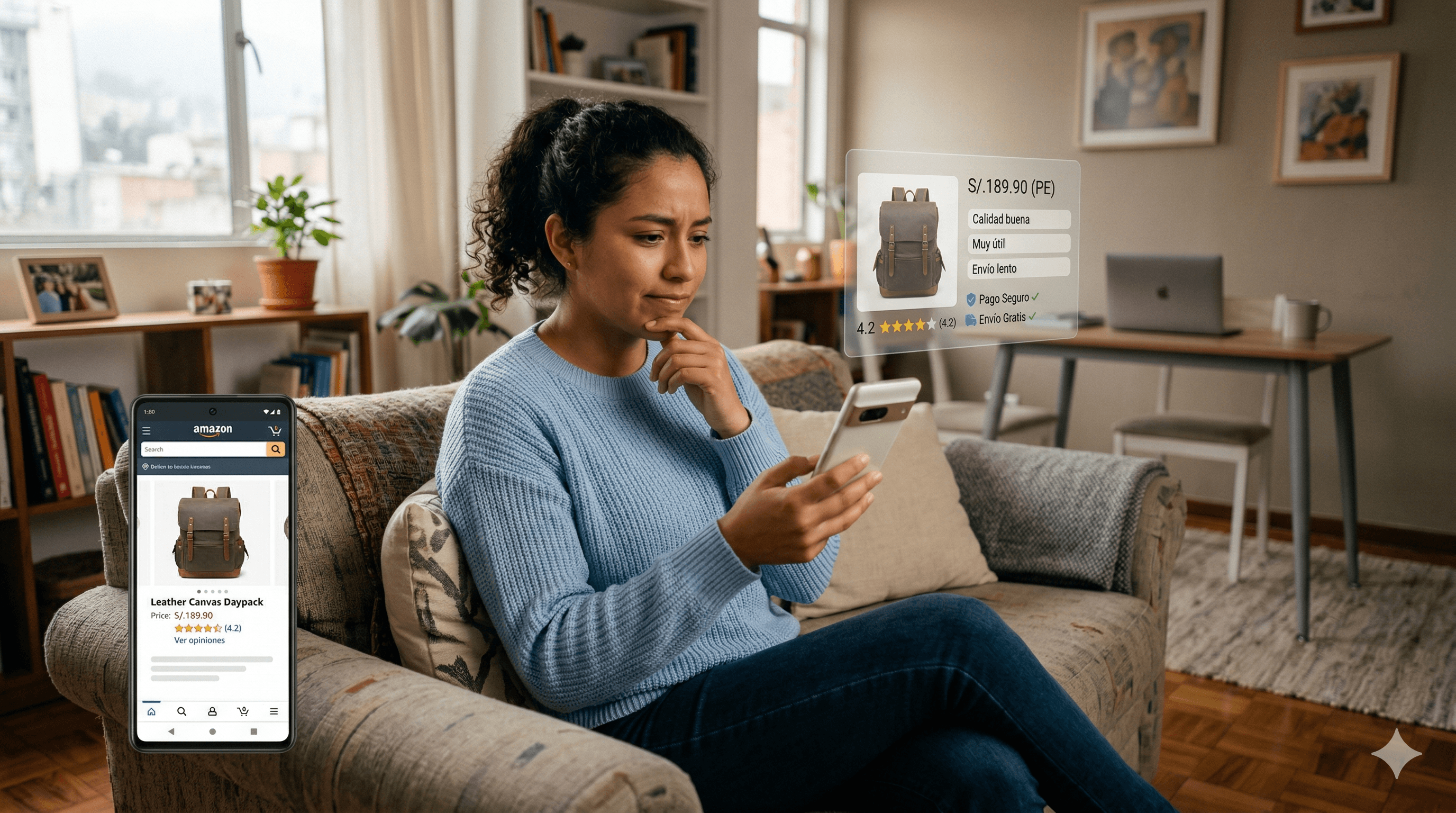
🛒 Tu cliente no se fue por el precio, se fue por falta de confianza
🛒 Tu cliente no se fue por el precio, se fue por falta de confianza
Bring the magic to your sales TODAY!
Get a demo


Bring the magic to your sales TODAY!
Get a demo
@2024 YA VENDIO - All rights reserved
@2024 YA VENDIO - All rights reserved